https://www.infirmiere-canadienne.com/blogs/ic-contenu/2025/12/22/courage-moral-une-infirmiere-enseignante-de-colomb
Kathleen Stephany says ‘moral courage is doing the right thing in the face of adversity and opposition, and doing it whether people notice it or not’
By Laura Eggertson
December 22, 2025
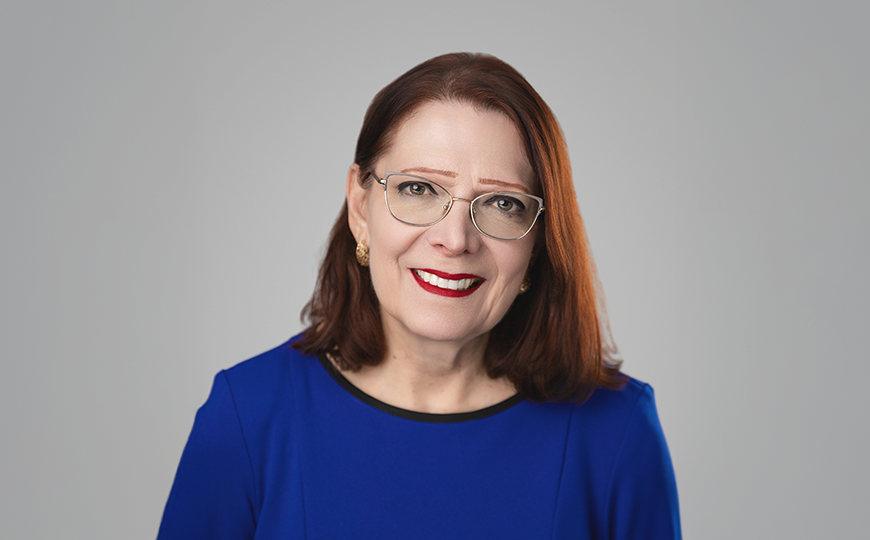 Just Shoot Me Photography Inc.
“Moral courage is doing the right thing in the face of adversity and opposition, and doing it whether people notice it or not,” Kathleen Stephany says. “Moral courage is my thing.”
Editor’s note: This article contains information about the 2001 death of Savannah Hall, a three-year-old First Nation girl who had been placed in foster care. This case is just one of many examples that speak to the broader issue of systemic racism that is embedded within the child protection system. The Canadian Nurses Association (CNA), which is the publisher of Canadian Nurse, acknowledges the historical and ongoing harms of anti-Indigenous racism within colonial systems. CNA is committed to addressing anti-Indigenous racism and strongly encourages readers to learn more about a 2024 Supreme Court decision that upholds the rights of First Nations, Inuit and Métis Peoples to be responsible for “culturally appropriate child and family services.” More learning opportunities that have been co-created with Indigenous health leaders and CNA include the recent Anti-Indigenous Racism Knowledge Sharing Event and The Path: Your Journey Through Indigenous Canada (coming soon).
When Kathleen Stephany teaches third-year nursing students about the critical importance of leading through ethics and moral courage, she speaks from personal experience.
Stephany, who has been a registered nurse for 48 years, has advocated for her patients and spoken up against injustice and corruption throughout her career.
That career has taken her from hospital nursing in emergency, critical care, and psychiatry, to medical investigations at the BC Coroners Service (BCCS) and then into psychology, before taking on her current roles as a writer and faculty member at British Columbia’s Douglas College.
Stephany worked for the BCCS for 11 years. She was directly involved in the case of the 2001 death of three-year-old Savannah Hall, a First Nation child who died in foster care. A jury at a coroner’s inquest ruled the death a homicide.
A non-disclosure agreement she signed as part of a dismissal settlement constrains Stephany from speaking about that investigation.
But she wouldn’t have done anything differently, she says.
“Moral courage is doing the right thing in the face of adversity and opposition, and doing it whether people notice it or not,” Stephany says. “Moral courage is my thing.”
Nursing experience helped in coroner’s role
Stephany’s core roles at BCCS included investigating suspected child homicides, suspicious or unexpected child deaths in foster care, and suicides, as well as making recommendations to prevent these types of deaths.
Her nursing skills and her academic background — she was earning her master’s degree in counselling psychology while she worked as a coroner — prepared her well for that role, she says.
Creating recommendations for new policies that could save lives required stringent research into what other jurisdictions did and the merit of the changes, something academic research also relies upon, Stephany says.
And just as in nursing, she had to meet with distraught families and provide them with information that was often difficult to hear about their loved ones.
“Being a nurse in critical care did teach me a lot about being a good listener, and about the grief process,” she says. “Sometimes we were able to alleviate their concerns and tell them everything was done according to best practice — and sometimes we had to tell them some things weren’t done according to best practices.”
Ultimately, the cases she saw left Stephany so troubled while she worked for the coroner that she needed therapy to help rid her of the images she saw during her work.
Act justly
Those cases, and the others she investigated, confirmed Stephany’s conviction that moral courage, the value of ethics, and leadership are critical skills to drive nurses’ advocacy for social change at a patient, community, and global levels.
That guiding principle is also why Stephany wrote The Ethic of Care: A Moral Compass for Canadian Nursing Practice, which argues that the moral imperative to act justly should guide a nurse’s every action. Stephany includes real case studies from her time as coroner, critical care nurse, and psychiatric nurse, at the end of each chapter of the textbook, which students read for her Douglas College course: Applied Nursing Ethics, Leadership and Moral Courage.
“The course is about teaching future nurses to be advocates for change, for populations that might be forgotten,” she says.
Stephany also relies heavily in her curriculum on the CNA Code of Ethics for Nurses, which also guides nurses in making ethical decisions and advocate for health equity, social justice, and healthy workplaces.
She is also a clinical instructor in mental health, where she supervises nursing students in their mental health community placements. Another of her books, Trauma-informed Care for Nursing Education: Fostering a Caring Pedagogy, Resilience & Psychological Safety, speaks to the central need for trauma-informed care throughout nursing practice.
Throughout her writing and additional work as an inspirational speaker, Stephany’s early experience with heartbreak and trauma motivates her.
She was just nine on December 22, 1966, when her 15-year-old brother Tony failed to return from a ride on his new bicycle, an early Christmas gift.
The RCMP later found his body in a ditch, where a hit-and-run driver had left him. Three months later, her father was diagnosed with lung cancer and died within a year.
Deaths changed her
“Those deaths changed me,” she says.
The deaths of her father and brother, along with her mother’s subsequent emotional breakdown, left Stephany in the care of an elderly aunt who introduced her to reading. Novels like Charlotte’s Web taught Stephany how to overcome hardship, she says.
One of the lessons she learned was that “we’re not here for a long time; we’re here for one day at a time. It’s important to live your legacy, as a person and as a nurse.”
Stephany encourages her students to think about how they want their patients to perceive them, and to be that person, all the time.
The result of her lectures and class discussions is a lively dialogue that inspires Stephany, who says teaching is her “happy job” because she gains as much from her students and their passion to change the world as they get from her.
Now, when she’s not gardening with her husband Harold Stephany, a retired doctor, she’s reading non-fiction books like Mark Carney’s Values: Building a Better World for All, spending time with her four grown children and two grandchildren, or hiking with her “spoiled” rescue dog, Sky.
She’s also corresponding with former students, many of whom have continued the advocacy work they began in her class by creating a public service project.
“The passion they have as undergrads often follows through with them as they graduate,” she says. “It’s so exciting, because they are doing really big things and they are the future.”
Laura Eggertson is a freelance journalist based in Wolfville, N.S.
#profiles
#advocacy
#equity-social-justice
#indigenous
#nurse-patient-relationship
#nursing-practice
#racism